
TNPC TREATMENT INFO
What Is Transcutaneous Neuromyofascial Precision Care?
TNPC is a proprietary approach developed by Dr. G. Blair Lamb to address the specific sites of suspected pathology identified through the neuromyofascial mapping process.
- Precision-based interventions tailored to each patient's unique injury map
- Works to address structural factors identified through the mapping process
- Does not replace conventional medical care. It adds a targeted investigational and treatment layer.
-
TNPC is delivered within Dr. Lamb's medical practice in Ontario. NMF Science LLC is an educational organization and does not provide clinical care, arrange appointments, or provide patient referrals. This page is educational.
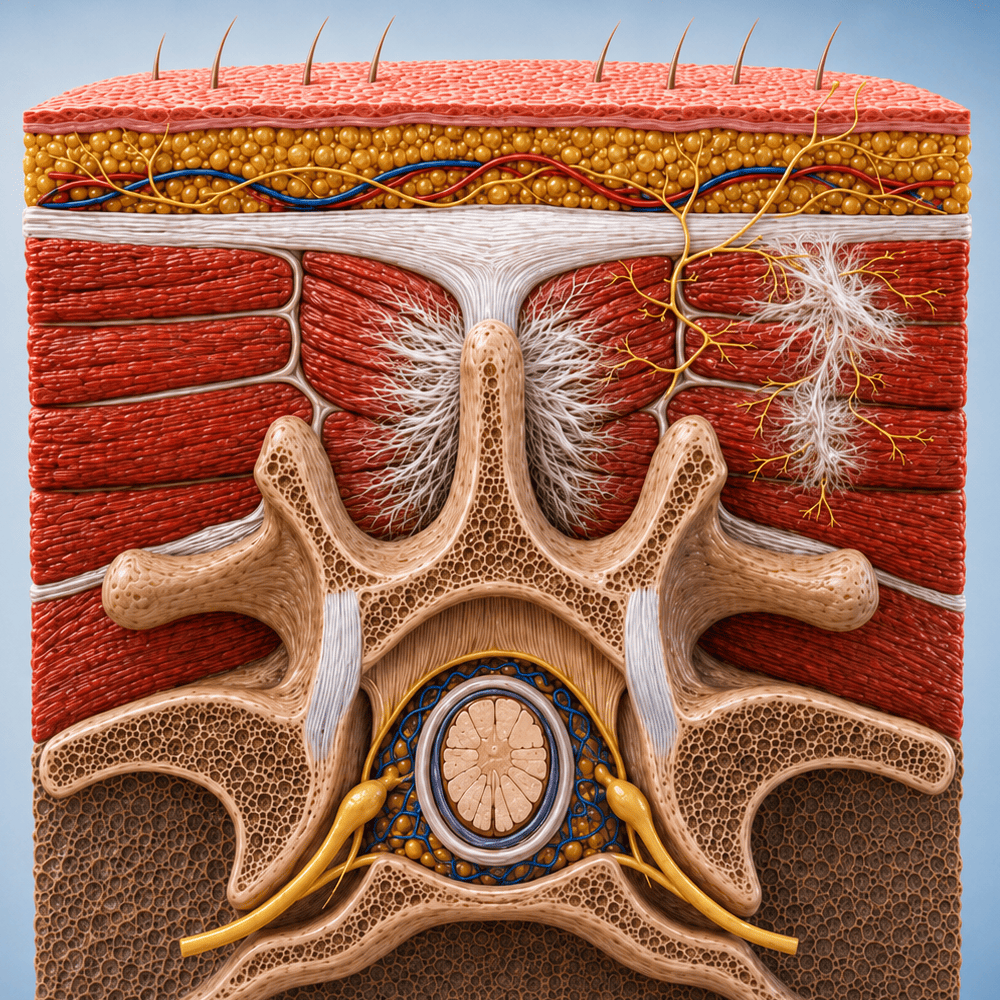
THE MAPPING PROCESS
The Audit Comes First
Before any intervention, the neuromyofascial audit builds a patient-specific map. The history identifies what the body has experienced over time. The examination identifies what patterns are present now. Where appropriate, direct clinical confirmation helps identify which specific sites need to be addressed. TNPC is applied based on what the map indicates, not based on the diagnosis alone.
The Neuromyofascial Audit
The audit is the foundation of TNPC. It maps the patient’s injury history, current examination findings, and suspected sites of pathology before any intervention is selected. The map informs everything that follows.
Precision Interventional Care
Based on what the audit indicates, a range of precision-based interventions is selected and tailored to each patient’s specific injury map. TNPC encompasses multiple treatment modalities, from conservative to advanced, selected individually for each case.
THE STAGING PROCESS
The Right Care at the Right Stage
One of the most important outputs of the neuromyofascial audit is staging. By identifying how far an injury pattern has developed, the audit helps determine not just where to treat but how intensively. Early stage presentations often respond to targeted non-interventional care. More advanced stages, where structural pathology is deeper and more complex, may call for a more intensive and interventional approach. Staging is intended to match the intensity of care to what the map indicates.
- Stage 1 and 2: Lighter, non-interventional therapies are often sufficient
- Stage 3 and 4: More complex structural pathology may call for advanced precision interventional care
- Does not replace conventional medical care. It adds a targeted investigational and treatment layer.
- Staging is reassessed as the patient responds and the map is updated.
01
What TNPC Encompasses
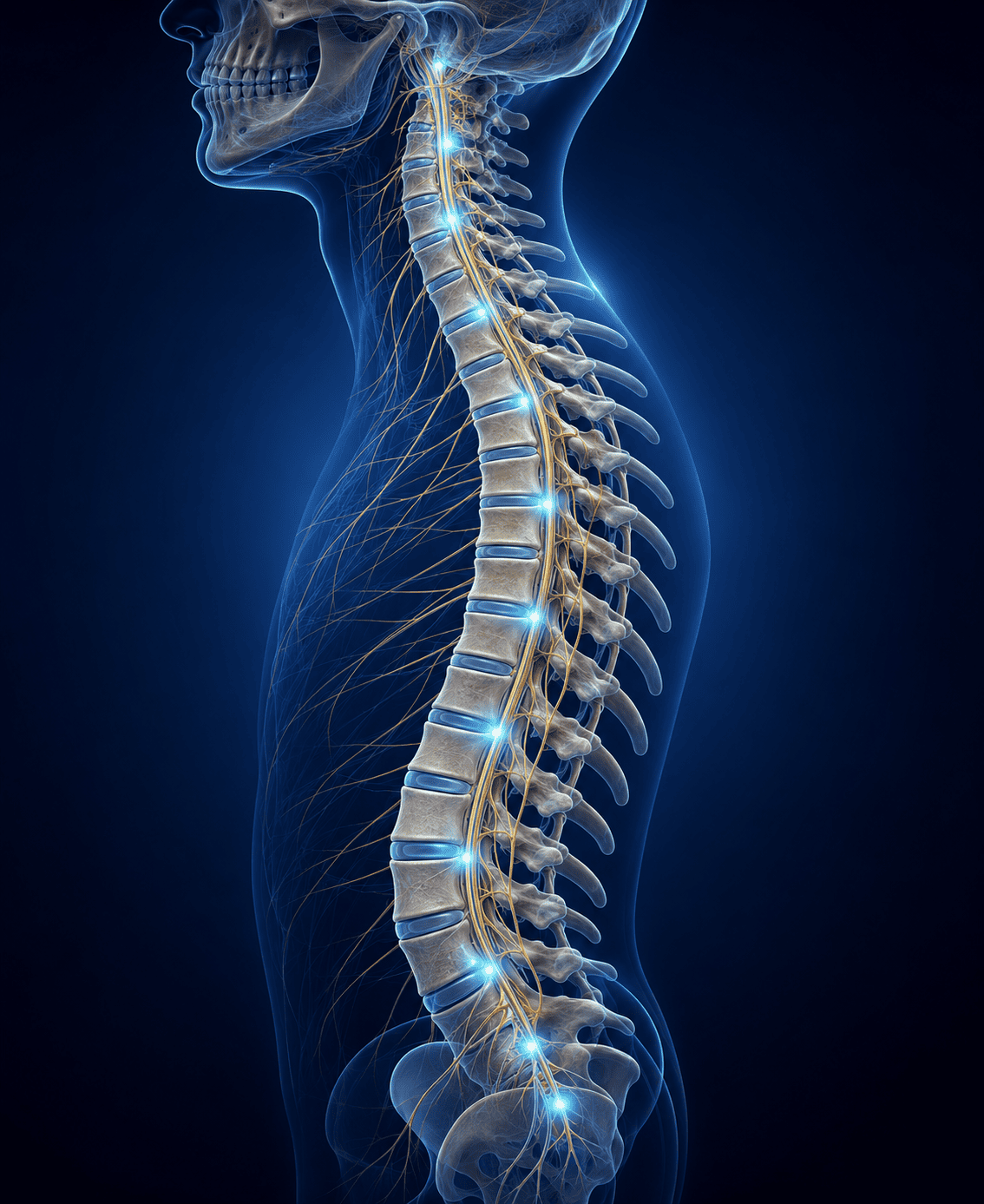
A comprehensive neuromyofascial audit, individualized treatment selection, precision-based modalities, and ongoing reassessment as the patient responds.
02
The Neuromyofascial Audit
Patient-specific mapping of injury history, structural findings, and suspected contributing pathology across the spine, limbs, and soft tissue.
03
Individualized Treatment Selection
No two patients receive the same intervention sequence. Treatment is selected based on what the map indicates, not the diagnosis alone.
04
Precision-Based Modalities
Multiple interventional approaches applied at the specific sites identified through the audit process.
05
Ongoing Mapping and Reassessment
The map is updated as the patient responds. Treatment evolves with the findings rather than following a fixed protocol.

THE NMF SCIENCE FRAMEWORK
TNPC Is One Part of the NMF Science Framework
Understanding what TNPC addresses requires understanding the conditions it is applied to. Each condition NMF Science investigates has its own pattern of structural and neuromyofascial factors. The condition pages explain what the mapping process looks for in each case.